



















Cover Fit 101: Why Universal Car Covers Fail in Harsh Winters
Brrr, Winter Storm Fern has recently swept across the US, bringing a staggering amount of snow, ice, and freezing temperatures across 26 states in the US. While it may have looked like a winter wonderland outside, the onslaught of sleet, snow, and ice on your car is far less charming. Repeated exposure to snow, ice, wind, and freeze-thaw cycles can unknowingly damage your vehicle over time, especially if it's protected by a cover that simply isn’t built for harsh winter conditions. Here is a comprehensive guide, backed by a closer look at material science and automotive protection expertise, to how winter weather damages vehicles, why universal covers fail in harsh winters, and why investing in a durable, custom-fit car cover makes all the difference.
The Scientific Reality: How Freeze-Thaw Cycles Attack Your Finish
Car damage isn’t caused by just one big storm, but rather it’s the repeated cycle that does the most harm. This continuous freeze-thaw cycle is a powerful, yet slow-acting, form of physical weathering that an exposed car is most prone to. This is not simply a matter of snow resting on the surface; it’s a physical process that exploits the microscopic vulnerabilities of your vehicle's protective layers.
-
The Physics of Ice Expansion: The most critical factor is the anomolous expansion of water. When snow melts during the day, water seeps into door seals and trim, panel gaps and seams, and microscopic paint cracks (micro-cracks). As the liquid water cools below 4°C it slowly freezes into ice and its volume expands by approximately 9%. This expansion exerts tremendous pressure—up to 2,000 pounds per square inch (psi) in confined spaces—which slowly widens existing micro-cracks in the paint's clear coat and weakens protective finishes on the vehicle's metal and trim.
-
The Vicious Cycle of Compound Damage: This damage is compounded over the season. As the ice thaws again, it becomes liquid water that travels deeper within your vehicle’s gaps and crevices and will freeze once more when temperatures drop, repeating the vicious cycle and causing compounded, cumulative damage. This continuous mechanical stress leads to paint flaking, clear coat failure, and ultimately, exposure of the underlying primer and bare metal to corrosive elements.
-
Chemical Erosion by Road Salt: Beyond the physical wear of ice, the chemical cocktail of road treatments presents a second, severe threat. Most road salts contain corrosive chlorides, such as sodium chloride, calcium chloride, and magnesium chloride. These chemicals accelerate the oxidation process of metal, a reaction commonly known as rust. When these salts are carried by wind or splashback and settle on the vehicle, they dissolve into an electrolyte solution. This solution dramatically increases the rate of electrochemical corrosion, attacking the undercarriage, brake lines, and any exposed metal where the paint's protective layer has been compromised by the freeze-thaw cycle. A cover that traps moisture and salt residue only intensifies this corrosive environment.
-
Abrasion and Wind Erosion: Furthermore, the harsh winter wind doesn't just pass over the vehicle; it acts as a powerful abrasive force. It carries fine particles of road dust, ice crystals, and sand, bombarding the car's exterior. This constant bombardment leads to microscopic coat wear and scratches, slowly eroding the clear coat and protective layers through a process similar to sandblasting.
The Expert Warning: Why Universal Covers Are a Liability
While any cover may seem better than none, car care experts warn that a universal, one-size-fits-all cover can actually do more harm than good, creating new problems while failing to solve the old ones it was intended to prevent.
Increased Friction and Movement: The core engineering flaw of a universal cover is its loose fit. If the cover does not provide the best fit, excess material allows it to shift and flap dramatically in windy conditions. This uncontrolled fabric movement, especially when dirt or dust particles settle between the cover and the paint, creates a grinding effect. This friction leads to unsightly scratches, often manifesting as swirl marks, on the paint. This effectively creates self-inflicted damage from a poor choice of car cover material, adding to any scratches that may occur from scraping ice off a frozen windshield.
Trapped Moisture and Accelerated Corrosion: A loose-fitting universal cover leaves large, inconsistent gaps around the vehicle's body, which allows snow, dust, and moisture to become trapped underneath. Critically, the cheap materials used in these covers often lack effective breathability, meaning they are not engineered to allow moisture vapor to escape. This creates a high-humidity environment directly against the car's surface. In freeze-thaw conditions, this is catastrophic because moisture gets in, but can’t properly escape. This lack of ventilation accelerates rust formation and can cause serious problems.
-
Mold and Mildew Risk: The trapped moisture and elevated humidity create a perfect breeding ground for mold and mildew, particularly on interior fabric or leather components if the moisture penetrates through door seals or open windows.
-
Electrical Issues: Condensation and trapped water can also lead to short-term electrical issues or long-term corrosion on exposed electrical components, such as wiring harnesses, sensor plugs, or battery terminals.
Poor Material Quality and UV Degradation: Most universal covers rely on inexpensive materials that often lack necessary UV stabilizers and inhibitors. Even in winter, UV radiation can penetrate cloud cover and reflect off snow, slowly degrading the car’s clear coat and plastic trim. A cheap cover that itself quickly degrades under UV or fails to block it offers minimal long-term protection, making the initial affordability misleading.
A universal car cover may seem appealing for its affordability, but car care experts are clear: the risk of self-inflicted paint damage and the acceleration of rust due to trapped moisture can actually cost you expensive repairs in the long run.-----The Engineered Solution: Custom-Fit Superiority
Why a Custom-Fit Cover Instead?
A custom-fit cover is designed for your exact vehicle shape, a factor that matters far more in extreme weather than many drivers realize. The engineering behind custom covers is a complex application of material science and precision tailoring focused on mitigating the specific winter risks detailed above.
-
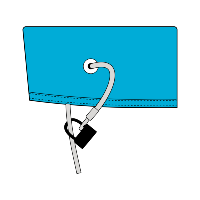
Superior Fit and Security: Eliteshield’s custom-fit car cover is patterned using advanced 3D scanning technology to match your vehicle's specific make, model, and year. This precise tailoring, featuring elasticized hems and integrated grommets, ensures a snug, secure fit that minimizes gaps where moisture, wind, and debris can collect. The minimal excess material and tight contours virtually eliminate the "sailing effect" of fabric flapping in the wind.
-
Reduced Abrasion Risk with Interior Lining: The key to protecting the paint is not just the exterior material, but what touches the vehicle. Custom-fit covers typically feature a non-abrasive, often fleece or flannel-like, inner lining. This soft material ensures that the reduced movement in wind directly lowers the abrasion risk and eliminates friction, which protects the paint and clear coat of your car from micro-scratches.
-
Advanced Multi-Layer, Hydrophobic Technology: Eliteshield utilizes premium, multi-layer fabrics, which are a cornerstone of effective winter protection.
-
Exterior Hydrophobic Barrier: The outermost layer features a specialized hydrophobic finish—often a durable water repellent (DWR) coating—that actively repels liquid rain and snow, promoting better snow and ice shedding. This prevents water from soaking into the fabric and coming into prolonged contact with the vehicle's surface.
-
Microporous Breathability: The middle layers are engineered with a microporous structure. This is the scientific key to breathability: the pores are large enough to allow moisture vapor (gas) from condensation or residual dampness to escape, preventing the moisture trap of universal covers. However, these pores are too small for liquid water (rain or melted snow) to penetrate, effectively keeping the environment dry and non-corrosive beneath the cover. Crucially, this allows internal moisture to escape while keeping water out, steering away from the nightmare that can ensue when a non-breathable cover traps moisture or freezes to your car.
-
Integrated UV and Chemical Resistance: Quality materials are often imbued with UV-inhibiting compounds to protect the cover itself from degradation and to provide an additional layer of defense for the vehicle's paint, even during bright winter days.
Cheap vs. Smart: The Real Cost of Winter Covers
A custom-fit cover represents a higher upfront investment, but a universal cover’s affordability is scientifically and economically misleading. When you factor in the inevitable maintenance and repair costs associated with inadequate protection, the true cost equation shifts dramatically.
Here is a comparison chart between both:
|
Universal Covers |
||
|
Upfront Cost |
Lower upfront cost |
Higher upfront investment |
|
Fit Profile |
One-size-fits-many |
Tailored to your vehicle |
|
Lifespan/Warranty |
Short lifespan (often less than one winter) |
Prolonged lifespan (3 year warranty) |
|
Damage Risk |
Higher risk of self-inflicted damage |
Prevents costly repairs |
|
Protection Mechanism |
Snow/Ice/Debris can be trapped between gaps |
Shields against snow, dust, and scratches |
|
Ventilation |
Non-breathable (accelerates rust) |
Breathable (allows moisture to escape) |
|
Winter Performance |
Less winter protection |
Designed for harsh conditions |
The Hidden Costs of Universal Covers:
-
Paint Correction: The swirling and scratching caused by a flapping universal cover requires professional paint correction (polishing and compounding) to remove surface defects. This service can range from $400 to $1,500 depending on the vehicle size and severity of the damage.
-
Rust and Corrosion Repair: Rust that begins in small micro-cracks or trapped moisture areas can quickly spread. Repairing localized rust spots (sanding, treating, repainting) can cost $500 to $2,500 per panel, while replacing severely corroded undercarriage components (brake lines, suspension parts) can reach into the thousands.
-
Interior Remediation: Mold and mildew trapped inside a vehicle can necessitate professional cleaning, ozone treatment, and in severe cases, replacement of carpeting or headliners. These costs can range from $300 to over $1,000.
Spending less now can mean paying significantly more later in paint correction, rust repair, or interior cleanup, making the custom-fit cover an essential investment in maintaining your vehicle’s condition and resale value.
Winter Storage Preparation: Maximizing Your Protection
Even the best cover requires proper preparation to maximize its protective value throughout the harsh season. Car experts recommend a few final steps before installation:
-
Thorough Cleaning: Always wash and dry your vehicle completely before covering it. Any dirt, dust, or residual road salt left on the paint will be trapped under the cover and will act as an abrasive material when the cover shifts, leading to the very scratches you are trying to prevent.
-
Antenna and Accessory Removal: Remove or retract any sharp exterior accessories, like antennas or spoilers, to prevent them from tearing the cover fabric.
-
Proper Installation and Securing: Use the elastic hems and grommets (if applicable) to secure the cover tightly. In high-wind areas, additional tie-down straps should be used to minimize movement and eliminate any "sailing" of the material. A snug fit is crucial to the cover’s effectiveness.
Winter Storms Demand Better Protection
Storms like Fern remind us that mother nature isn’t gentle, and your vehicle deserves protection that can withstand more than a light dusting of snow. A properly fitted, winter-ready custom-fit cover doesn’t just shield your car from snow, but it protects against the long-term, cumulative damage caused by ice, moisture, wind, chemical road salts, and the insidious freeze–thaw cycles. It is a calculated investment that preserves both the vehicle's aesthetic condition and its structural integrity against the elements.
If your vehicle is going to brave the winter, make sure its cover is up to the task.


